By Brad Cordova

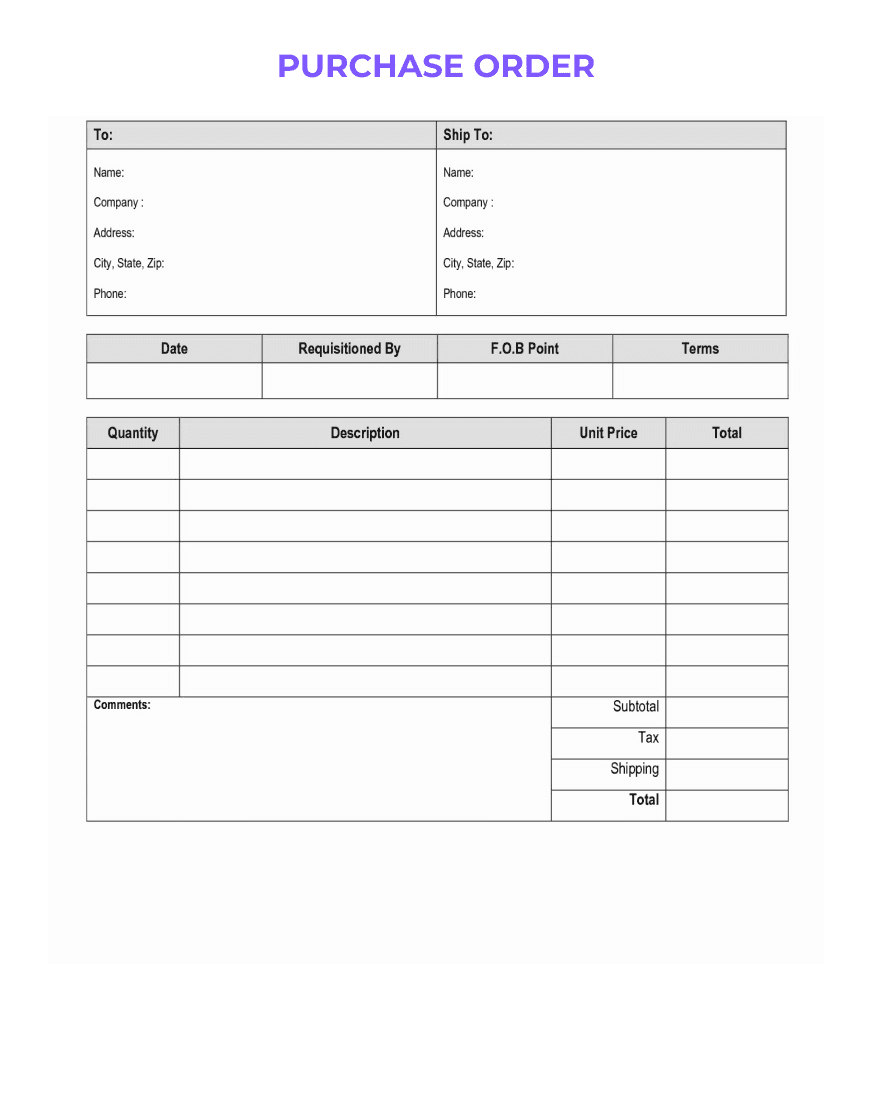
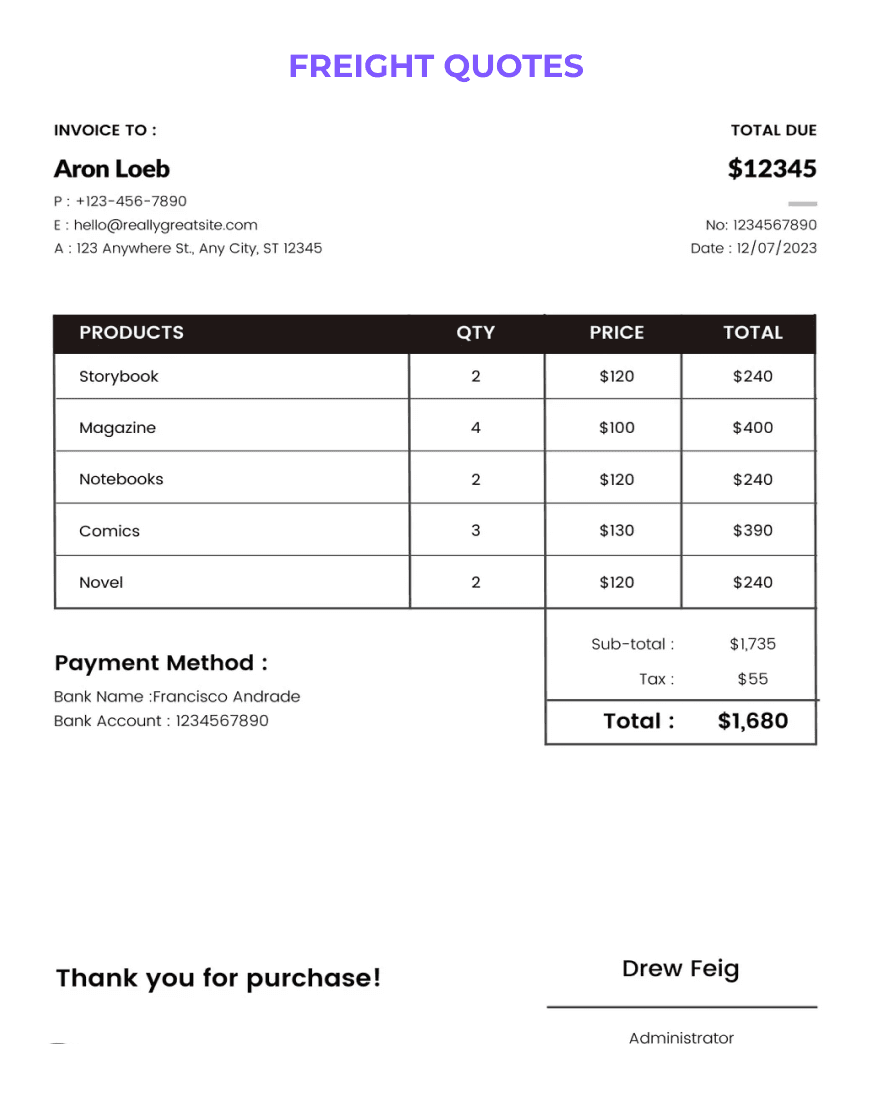
Freight and logistics companies live and die by their documents. Bills of lading, customs forms, proof of delivery (POD), freight invoices, and packing slips—these are essential for global movement. Yet most of these documents are still processed manually or with outdated OCR tools that can’t keep up.
In an industry under pressure to move faster and leaner, AI-powered Intelligent Document Processing (IDP) is becoming a critical differentiator.
Manual freight documentation is more than inefficient—it’s expensive.
Common issues include:
AI-powered document automation uses machine learning and natural language processing to extract, understand, validate, and route documents—no templates or manual setup required.
Core capabilities:
Can you use OCR to help automate document workflows in logistics? Not quite. Traditional OCR extracts text—but it doesn’t understand it. It requires templates, rules, and significant manual QA.
In contrast, AI:
Challenge
Border delays
Invoice disputes
Headcount bloat
Visibility gaps
AI-Powered Outcome
70% reduction in customs errors
50–80% fewer reconciliation issues
Up to 60% reduction in manual processing
Real-time document tracking & alerts
Question: Why are manual freight document workflows so costly and risky?
Short answer: Manual processing slows everything down and compounds errors. In logistics, misfiled or incomplete customs forms can delay shipments for days, invoice or bill of lading (BOL) mismatches create disputes and penalties, teams waste time on data entry and error-chasing, and scaling requires adding headcount just to keep pace. These issues hit margins, service levels, and your ability to grow.
Question: How is AI-powered Intelligent Document Processing (IDP) different from traditional OCR?
Short answer: OCR only reads characters; it doesn’t understand documents. It relies on templates, brittle rules, and heavy QA. AI-powered IDP learns from new layouts without templates, understands context, handles messy scans and handwritten notes, validates data, and flags anomalies in real time. The result is automation that scales across formats and reduces manual touchpoints instead of shifting them.
Question: Which logistics documents benefit most from AI automation, and what gets automated?
Short answer: AI helps across the end-to-end logistics workflow:
Question: How does AI maintain accuracy across different formats, poor scans, or handwriting?
Short answer: Unlike OCR, AI models learn over time from varied document layouts and quality levels. They can interpret messy scans and handwritten notes, apply contextual understanding to extract the right fields, and run real-time validation to catch inconsistencies or missing data before they cause downstream issues.
Question: What business outcomes can logistics teams expect, and how does AI fit into existing systems?
Short answer: Teams see tangible gains: around a 70% reduction in customs errors, 50–80% fewer reconciliation issues, up to a 60% cut in manual processing, and real-time document tracking with alerts. AI-powered workflows integrate with TMS, ERP, WMS, and billing systems to automate approvals, handle exceptions, and enforce compliance checks—reducing delays, protecting margins, and enabling scale without adding headcount.

AI is not the future—it’s already reshaping logistics today. Freight operators who automate their document workflows reduce delays, protect margins, and deliver faster, smarter service.
📦 Reimagine your freight document workflows. Book a demo with super.AI
A buyer's guide to intelligent document processing software: six tools, who each one fits, and a sourced comparison of how to start, pricing, and deployment.
Comparing Docsumo alternatives? See how super.AI and Docsumo differ on getting started, workflow building, human review, and outputs, based on each vendor's own website.
Looking at Nanonets alternatives? Here is how super.AI and Nanonets compare on getting started, building automations, human review, and outputs, using each vendor's own website.